Loading...
Serving Ossining, NY and surrounding areas. (914) 223-8988
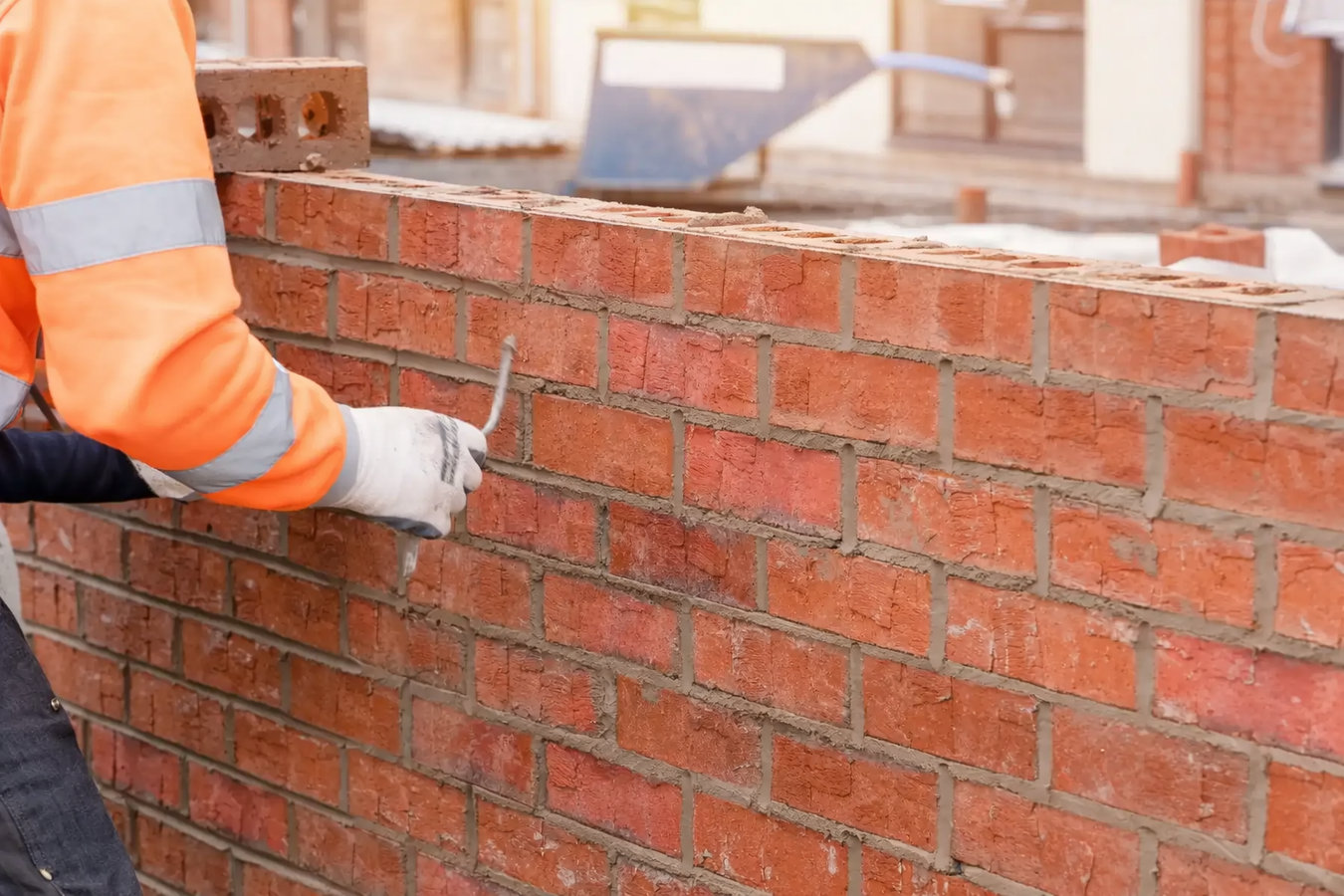
Open mortar joints let water in, and Ossining winters turn that water into a problem. We restore deteriorated joints in chimneys, foundations, and exterior walls - with mortar matched to your home and your climate.
Brick pointing in Ossining is the process of removing old, crumbling mortar from the joints between bricks and replacing it with fresh mortar - a targeted repair that most homeowners only discover they need after a winter has made the damage visible, with most jobs on a chimney or wall section taking one to three days.
The mortar in brick joints is softer than the bricks by design. It is meant to absorb movement and moisture so the bricks themselves do not crack. Over decades - and especially after repeated Ossining freeze-thaw cycles - that mortar weathers, shrinks, and eventually crumbles away. Once joints start to open, water gets in, and the cycle of freezing and expanding makes it worse every year. The key distinction homeowners often miss is that pointing addresses the joints - if the bricks themselves are spalling, cracked, or bowing, that points to a deeper structural issue that may require masonry restoration rather than pointing alone.
For older Ossining homes - those built before 1950 - the mortar choice is critical. Using a hard, modern cement-heavy mix on a home built with softer historic brick can actually cause the bricks to crack, because the mortar becomes harder than the masonry around it. The right answer is mortar matched to the home's age and existing materials.
Stand back from your chimney, foundation wall, or exterior brick and look at the thin lines between each brick. If those lines look sunken, cracked, or like they are falling out in small pieces, the mortar has failed. In Ossining's winters, open joints like these will get significantly worse between October and April - each freeze-thaw cycle pushes water deeper and pries the joint further apart.
A chalky white residue on the face of your bricks - called efflorescence - is a sign that water is moving through the wall and carrying dissolved salts to the surface. In Ossining, where hillside properties deal with elevated ground moisture, this is a common early warning sign. It does not mean the wall is failing yet, but water is getting in somewhere, and the joints are the most likely entry point.
Damp spots on interior walls near a chimney breast, a basement wall, or a brick fireplace surround after heavy rain or snowmelt mean water is getting through the masonry. In Ossining's wet springs, this kind of water intrusion can move from a damp spot to a stained wall to a mold problem in a single season if open joints are left unaddressed.
Run your finger along a joint on your foundation or chimney. If the mortar feels soft, crumbles easily, or comes away as powder, it has lost its binding strength. Mortar in this condition is no longer keeping water out - it is just filling space. On Ossining homes from the early 1900s, this kind of soft, sandy mortar is common and is a reliable sign that pointing is overdue.
We handle brick pointing on chimneys, home exteriors, foundation walls, retaining walls, and garden walls across Ossining. The process starts with cutting or chiseling out the deteriorated mortar to a consistent depth before packing in new material - skipping that removal step is the shortcut that causes premature failure. Mortar selection is based on your home's age and the specific surface being repaired. For homes built before 1950, that almost always means a lime-rich mix rather than a modern portland cement blend. If pointing reveals that individual bricks have cracked or spalled, our foundation repair service covers structural masonry assessment and more extensive remediation when pointing alone is not enough.
We also handle color matching - making sure the new mortar blends with the existing brickwork rather than standing out as a visible patch. The masonry restoration service is available when pointing is part of a broader project that includes cleaning, repairs to brick faces, or full facade work. We will tell you honestly which scope your situation calls for after seeing the masonry in person.
For chimneys that take year-round weather exposure on all sides - the most common place pointing deteriorates first on any Ossining home.
For below-grade or exposed foundation brickwork where open joints are allowing water into basements or crawl spaces.
For full or partial exterior walls where mortar deterioration is widespread and needs systematic attention before the next winter.
For freestanding brick structures where mortar failure is causing water infiltration or early signs of structural movement.
Westchester County experiences dozens of freeze-thaw cycles every winter. Temperatures drop below freezing at night and rise above it during the day, and each cycle forces water that has seeped into open joints to expand as it freezes - slowly prying the mortar apart from the inside. For Ossining homeowners, this means mortar that looked fine in October can be visibly crumbling by March. The National Park Service Preservation Briefs on repointing historic masonry specifically address how mortar selection and joint profiling affect long-term durability in freeze-thaw climates - the same guidance that applies to Ossining's older residential housing stock. Homeowners in Yonkers and Mount Vernon face the same freeze-thaw conditions and the same need for mortar compatibility - we apply the same standards throughout our service area.
A large share of Ossining's residential neighborhoods feature homes built in the early to mid-1900s, particularly in the historic downtown and along the Hudson River hillside. Brick from that era was laid with lime-based mortar that is intentionally softer and more flexible than modern cement-heavy mixes. Using the wrong mortar on these homes causes the bricks themselves to crack over time - a problem that is far more expensive to fix than the original pointing job. Ossining also sits on a hillside above the Hudson River, and many properties deal with elevated ground moisture and hillside drainage that puts extra pressure on foundation and retaining walls, accelerating joint failure faster than on flat, dry lots.
We ask a few questions about what part of the house needs attention, roughly how large the area is, and whether you have noticed any water intrusion. Most contractors in the Ossining area schedule an on-site estimate within a few days, and the estimate is free.
We walk the area with you, look at the joints, the condition of the bricks, and any signs of water damage or movement. We note what mortar type is appropriate for your home's age. This is the right moment to ask questions - a good contractor explains what they see in plain terms and breaks out the estimate by labor and materials.
Clear the area around the wall and let us know about any nearby plantings so we can protect them. The crew starts by cutting out old mortar - this is the noisiest part of the day. Once joints are clean, fresh mortar is packed in stages and shaped to shed water. Expect some dust and grinding sounds, especially in the morning.
At the end of the job, we walk the finished work with you and explain what was done. Fresh mortar needs 24 to 48 hours before it gets wet and a full week to reach working strength. Avoid spraying water near the repaired area during that window. We tell you this before we leave - not after.
Free written estimates. No obligation. We reply within one business day.
(914) 223-8988We assess your existing mortar before choosing a replacement mix. For pre-1950 Ossining homes, that almost always means a softer, lime-based formulation that matches the flexibility of the original masonry. Using a harder modern mix on these homes causes brick cracking over time - a mistake that costs far more than the original pointing job to correct.
The most common shortcut in pointing work is smearing new mortar over old material without removing it first. That repair looks fine for a year or two and then fails completely. We cut or chisel out deteriorated mortar to a consistent depth on every joint before packing in new material - the step that determines whether the repair actually holds.
One of the most common homeowner complaints after a pointing job is that the new mortar looks like a visible patch - a different color, a different texture. We take the time to match the mortar color and joint profile to your existing brickwork so the repair integrates rather than stands out. The Brick Industry Association guidance on mortar matching is part of how we approach every job.
Pointing is the right fix when mortar joints have failed but the bricks themselves are sound. It is not the right fix when bricks are spalling, cracked, or when the wall has structural movement. We tell you honestly which situation you are in after looking at the masonry in person - because a pointing job that should have been a structural repair is worse than no repair at all.
These specifics matter in Ossining because the combination of older housing stock and hard winters creates conditions where a technically wrong repair fails faster than it would anywhere else. Getting the mortar type right, removing the old material fully, and matching the joint profile are not finishing touches - they are the core of the work.
Structural assessment and repair for foundation walls where pointing alone is not sufficient to address cracking or water intrusion.
Learn MoreFull facade and masonry rehabilitation for homes where brick cleaning, spall repair, and pointing are all part of a coordinated project.
Learn MoreEvery winter you wait gives freeze-thaw cycles more time to work on open joints - call now before the season fills up.