Loading...
Serving Ossining, NY and surrounding areas. (914) 223-8988
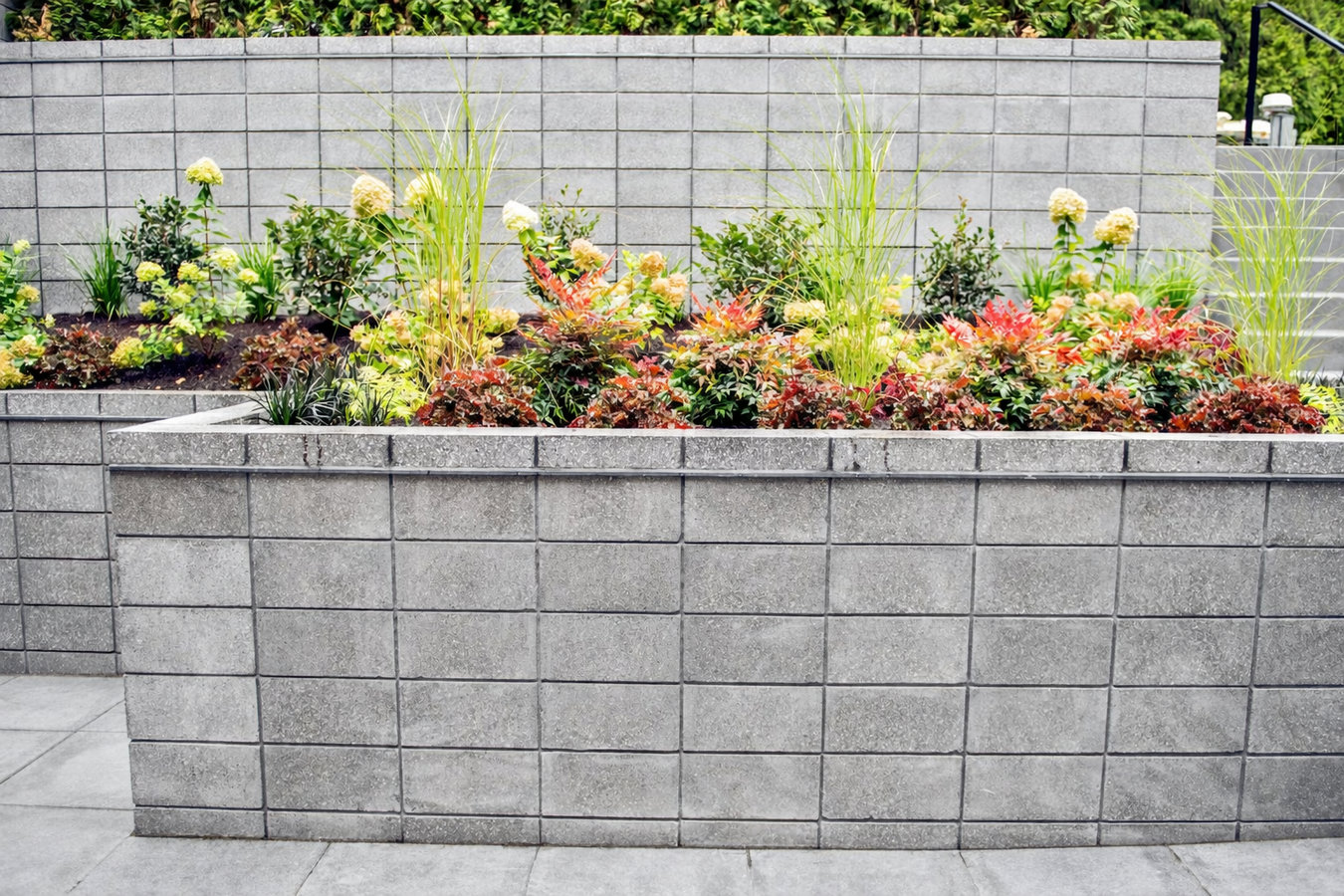
Your slope is eroding, an old wall is leaning, or you need a boundary that holds up through decades of Westchester winters. We build concrete block walls with frost-depth footings and drainage that actually works.
Concrete block wall construction in Ossining, NY means building a durable masonry wall from hollow or solid blocks bonded with mortar, set on a poured concrete footing below the frost line, with most residential garden and boundary walls completed in one to three days and larger retaining walls taking a week or more.
Ossining sits on hilly terrain shaped by the Hudson Valley's landscape, and concrete block walls serve a real practical purpose here - holding back slopes, stopping erosion, creating level yard space, and defining property boundaries. A large share of the village's homes were built before 1970, and many have original masonry walls that are now 50 to 100 years old and approaching the end of their useful life. Getting the footing depth right is the single most important factor in how long a wall lasts through Westchester winters. If you are thinking about combining block wall work with a broader masonry project, our retaining wall construction service handles the full range of slope-management solutions.
For homeowners who want a structural foundation alongside their wall project, our foundation block wall installation service handles basement and structural walls that require the same deep-footing approach but are engineered for heavier structural loads.
Stand back and look at your wall from the side. If it is no longer straight - if it leans or curves away from the soil it is holding - that is a sign the wall is failing. In Ossining's hilly neighborhoods, this often happens when an older wall was built without proper drainage and water pressure has slowly pushed it forward over the years. A leaning wall will not fix itself and can collapse suddenly.
Small hairline cracks in mortar are normal over time, but horizontal cracks running the length of the wall - especially near the middle or base - are a warning sign. This pattern often means the wall is under pressure it was not designed to handle, which is common on Ossining's sloped lots after a wet spring or a hard winter. Left alone, these cracks grow and the wall eventually fails.
If you notice soil eroding from a slope and ending up somewhere it should not after rain, your slope lacks adequate support. This is especially common on Ossining lots where original landscaping has settled or an old wall has started to fail. A new concrete block retaining wall stops the erosion and keeps your yard where it belongs.
That white, chalky residue is efflorescence - mineral deposits left behind when water moves through the block. It is your wall telling you moisture is getting in. In Ossining's older homes, this is a common finding on basement walls. The deposits are harmless on their own, but the water causing them can weaken mortar over time and is worth addressing before it becomes a structural problem.
We build concrete block walls for retaining slopes, defining property boundaries, creating garden terraces, and supporting basement and structural applications. Every project starts with a site assessment - we look at the slope, the soil, site access, and any existing walls that need to come down. The footing is the foundation of a wall that lasts: in Ossining, that means digging to or below the 36-inch frost line before any block is laid. Drainage behind retaining walls is installed as the blocks go up - not added as an afterthought - with gravel backfill and weep holes that let water escape rather than build pressure against the face. For homeowners considering a retaining wall alongside their block wall, retaining wall construction covers the broader category of slope solutions we offer.
We also assess and rebuild aging block walls - a common need in Ossining given the volume of pre-1970 construction in the village. Many walls of that era were built without drainage, and patching them without addressing the drainage problem just delays the inevitable. For homeowners whose project involves a structural or basement wall, foundation block wall installation handles the heavier-load applications with the same careful approach to footings and moisture management.
Suits homeowners on hilly Ossining lots who need to hold back a slope, stop erosion, or create level usable yard space.
Best for homeowners who want a clean, durable property line or raised garden bed that will outlast any wood or vinyl alternative.
For below-grade and load-bearing applications where strength, moisture management, and proper footing depth are critical.
Ideal for aging walls from the 1950s and 1960s that are leaning, cracking, or failing due to inadequate original drainage.
Ossining sits on the eastern slope of the Hudson Valley, and residential lots throughout the village - especially in older neighborhoods like Sparta and Cedar Lane Park - have significant grade changes. Retaining walls here are not a luxury; they are often the only practical way to create usable yard space or prevent soil erosion on a sloped lot. The ground in Westchester County freezes to a depth of roughly 36 inches in a typical winter, which means any footing that does not reach that depth will heave, shift, and crack the wall above it within a few seasons. A contractor who does not mention frost depth before pricing your job is a contractor worth being cautious about. Homeowners in Peekskill and Newburgh face the same terrain and frost conditions, and we build to the same deep-footing standard across the region.
Ossining's location along the Hudson River also means the lower parts of the village - particularly near the waterfront and the Sing Sing Kill corridor - have soils that can be wetter and less stable than upland areas. Walls built in these zones need extra attention to drainage and footing design. And with a large portion of Ossining's housing stock dating back to the 1920s through 1960s, many properties have original block walls that were never built with modern drainage in mind. The National Concrete Masonry Association publishes design and construction standards we reference on every project, and the Village of Ossining Building Department requires permits for most retaining walls over four feet - something we handle on your behalf.
We visit your property to look at the slope, soil, and access - not just look at a photo. After the visit, you receive a written estimate breaking down footing, block, drainage, and any demolition separately. We reply within one business day of your first inquiry.
If your project requires a permit - common for taller retaining walls in Ossining - we handle the application and let you know how long processing will take. Permit fees are included in your estimate so there are no surprises.
The crew digs to below the frost line and pours the concrete footing first. Once it cures - typically 24 to 48 hours - block-laying begins. For retaining walls, drainage material goes in behind the wall as the courses go up, not after.
After the wall is complete, we clean the site and remove debris. If a permit was pulled, we schedule the inspection. Mortar needs about 28 days to reach full strength - avoid putting heavy loads against a new wall for at least a month.
Free written estimate. We visit your site before giving you a number.
(914) 223-8988In Westchester County, footings that sit above the 36-inch frost line will heave and crack the wall within a few seasons. We dig to the correct depth on every job - it is not negotiable and it is not an upsell. It is the difference between a wall that lasts and one that fails.
For retaining walls especially, drainage behind the wall is what determines whether it stands or eventually buckles under water pressure. We install gravel backfill and weep holes as part of the block-laying process - not as an add-on after the fact - because retrofitting drainage later is expensive and disruptive.
The Village of Ossining requires permits for most retaining walls over four feet, and navigating that process takes time and familiarity with local requirements. We handle permit applications and inspection scheduling for every project that needs it, so your wall is legal, inspected, and documented when it comes time to sell your home.
Many Ossining homes from the 1950s and 1960s have original block walls that were built without drainage. We give you a straight assessment of whether a repair makes sense or whether the smarter move is a full rebuild - not just the answer that leads to a larger invoice.
Ossining's terrain and climate make concrete block wall construction more demanding than flat suburban jobs, and the village's older housing stock means the right contractor needs to understand both the local conditions and the specific challenges of pre-1970 construction. That combination is what we bring to every project.
When the block wall is structural or below grade, our foundation block wall service handles the heavier engineering and moisture requirements that basement and load-bearing walls demand.
Learn MoreFor Ossining properties where a sloped yard needs more than a boundary wall - full retaining wall systems in natural stone, concrete block, and tiered configurations.
Learn MoreOssining's busy season fills up fast - call now or request a free written estimate before spring slots book up.