
Loading...
Serving Ossining, NY and surrounding areas. (914) 223-8988
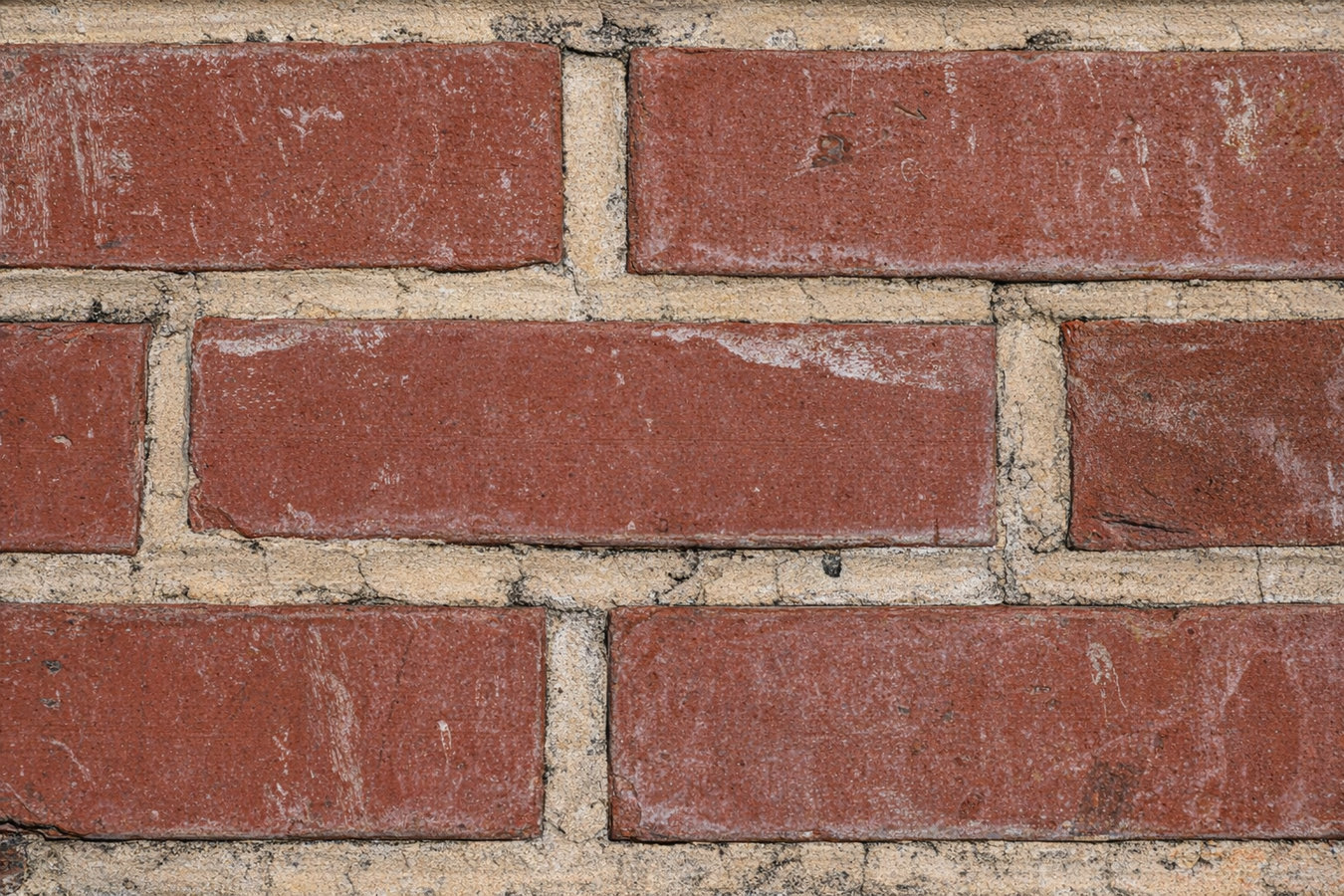
Crumbling mortar joints let water into your walls every time it rains - and every Ossining freeze-thaw cycle makes the damage worse. We grind out the old material, pack in matched mortar, and give your bricks a seal that holds.
Tuckpointing in Ossining, NY is the process of removing crumbling mortar from the joints between bricks and replacing it with fresh, matched material - most chimney or small wall section jobs are completed in one to two days with no interior disruption.
Mortar is softer than brick by design. It acts as the sacrificial layer, absorbing the stress of freeze-thaw cycles so the bricks themselves don't crack. Most mortar lasts 25 to 30 years before it needs attention - though Ossining's Westchester winters shorten that window considerably for exposed chimneys and north-facing walls. If your home was built before 1970 and the mortar has never been touched, there's a reasonable chance it's overdue.
Tuckpointing is closely related to brick repair. Sometimes the mortar is failing while the bricks are still solid - that's a tuckpointing job. Other times bricks themselves are cracked, spalled, or missing, and a broader repair is needed. We assess both on every visit.
Stand close to a brick wall or chimney and press your thumb firmly against one of the mortar joints. If the material crumbles, flakes, or falls away with light pressure, it has lost its integrity. Healthy mortar should feel hard and solid. This test works on any brick surface you can reach safely from the ground.
Step back and look at your chimney or exterior wall from a few feet away. If the lines between bricks look sunken, hollow, or uneven - rather than flush and continuous - the mortar has eroded significantly. In Ossining's climate, this kind of erosion happens gradually over several winters and can be easy to miss until it's fairly advanced.
A white, powdery residue on your bricks - called efflorescence - is a sign that water is moving through the wall and carrying minerals with it as it evaporates. Given Ossining's proximity to the Hudson River and its wet winters, this is a common early warning sign. It means moisture is getting in somewhere, often through failing mortar joints.
After a hard Ossining winter, walk around your home and look for cracks that follow the lines of the mortar joints rather than cutting through the bricks themselves. Cracks that follow the joints are almost always a mortar problem - the freeze-thaw cycle has done its work. Cracks that cut through bricks are a more serious structural concern.
We handle tuckpointing on chimneys, exterior walls, foundations, retaining walls, and other masonry surfaces. The process starts with grinding or chiseling out the damaged mortar to a consistent depth - usually about three-quarters of an inch - so the new material has a solid surface to bond to. Skimming new mortar over the top of old, crumbling joints is a shortcut that fails within a season. We don't do it. For older Ossining homes, we assess the existing mortar first and mix a replacement that matches its strength and flexibility, which is especially important on pre-1950s construction where softer lime-based mortars were standard.
Chimneys get special attention because they take more punishment than any other masonry on your home - fully exposed on all sides, heating and cooling with every fire, and catching the worst of Westchester wind and rain. We also handle brick pointing and broader brick repair when the damage goes beyond the mortar joints alone.
For homeowners whose chimney mortar has eroded from weather exposure and repeated heating and cooling cycles.
For brick facades where joints have recessed, cracked, or crumbled after years of freeze-thaw exposure.
For homeowners whose lower masonry joints are admitting water or showing signs of moisture infiltration.
For older Ossining homes where the repair must match original lime-based mortars to avoid stressing surrounding bricks.
Ossining sits in Westchester County, where winter temperatures regularly dip below freezing and then climb back above it multiple times throughout the season. Every time water trapped in a mortar joint freezes, it expands slightly - and over years, that repeated expansion breaks mortar apart from the inside. This means Ossining homeowners typically see mortar deteriorate faster than homeowners in milder climates. Waiting even a year or two after noticing cracks can turn a straightforward repair into a much larger one. Ossining also has a significant number of homes built between the 1890s and the 1950s, many with original brick chimneys and stone facades where mortar is well past its natural lifespan.
The proximity to the Hudson River adds another layer of moisture exposure. Homes closer to the waterfront tend to see faster mortar wear than those further inland, because the moisture-laden air off the river accelerates weathering of masonry joints year-round. We serve homeowners across the area, including in Tarrytown, NY and Mount Vernon, NY, where the same Westchester climate creates the same tuckpointing needs.
We respond within 1 business day. Tell us what you're seeing - crumbling joints, white staining, a chimney that looks rough - and we schedule a time to come look at it in person. No cost for the estimate visit.
The mason walks the affected area, checks how deep the damage goes, and looks for any bricks that need replacement alongside the mortar work. The visit typically takes 20 to 30 minutes and ends with a written quote explaining what we found and why.
Clear the area around the work zone - move vehicles, patio furniture, or planters. The noisiest part is the grinding, which happens in the morning. We let you know if scaffolding is going up near a property line so you can give neighbors a heads-up.
We grind out old mortar, pack in new material, tool the joints to the right profile, and clean brick faces. Before leaving, we walk the finished work with you and confirm the curing instructions - keep the area dry for 48 hours, and avoid power-washing for several weeks.
We respond within 1 business day. Written quote, no obligation, no pressure.
(914) 223-8988On older Ossining homes - particularly those built before 1950 - using the wrong mortar mix can crack surrounding bricks over time. We assess the existing material first and mix replacement mortar that matches its strength and flexibility. That's not a standard practice everywhere, and it's the difference between a repair that holds and one that creates a new problem.
Some contractors skim new mortar over crumbling joints without removing the old material. That approach fails within a season. We grind or chisel to the correct depth so the new mortar has a solid surface to bond to. You can see and feel the difference in the finished joints.
We know Ossining's older housing stock, the Hudson River moisture corridor, and the specific ways Westchester winters accelerate mortar wear. That local knowledge shapes how we assess every job - not just the visible damage, but what's likely driving it.
Most standard tuckpointing doesn't require a permit. But if your job crosses into structural territory - a chimney rebuild, for example - we'll tell you upfront and handle the paperwork with the Village of Ossining Building Department. No surprises on your timeline or budget. See{' '}the Village of Ossining Building Department guidelines at www.villageofossining.org for permit requirements.
Getting tuckpointing right in Ossining means understanding the older housing stock, the local climate, and the materials that were used when these homes were built. That combination of local knowledge and proper technique is what makes the difference between a repair that holds for 20 years and one that needs to be redone in two. The Brick Industry Association provides detailed guidance on correct mortar removal depth and joint preparation - the standards we follow on every job.
When damage goes beyond the mortar joints and bricks themselves are cracked, spalled, or missing, brick repair restores the wall from the face in.
Learn MoreTargeted joint finishing for brick surfaces where specific sections need fresh mortar profiled to match the surrounding wall.
Learn MoreOssining masons book up fast in fall - lock in your assessment now and protect your mortar joints before the first freeze.