Loading...
Serving Ossining, NY and surrounding areas. (914) 223-8988
Ossining Masonry is a masonry contractor serving Bridgeport, CT, with work across concrete block wall construction, foundation repair, chimney restoration, and tuckpointing on the city's dense stock of pre-1940 and mid-century homes. Most Bridgeport homes were built before 1960, and many sit on aging foundations that have been through decades of freeze-thaw cycles and coastal moisture. We reply to all inquiries within one business day and provide written estimates before any work starts.
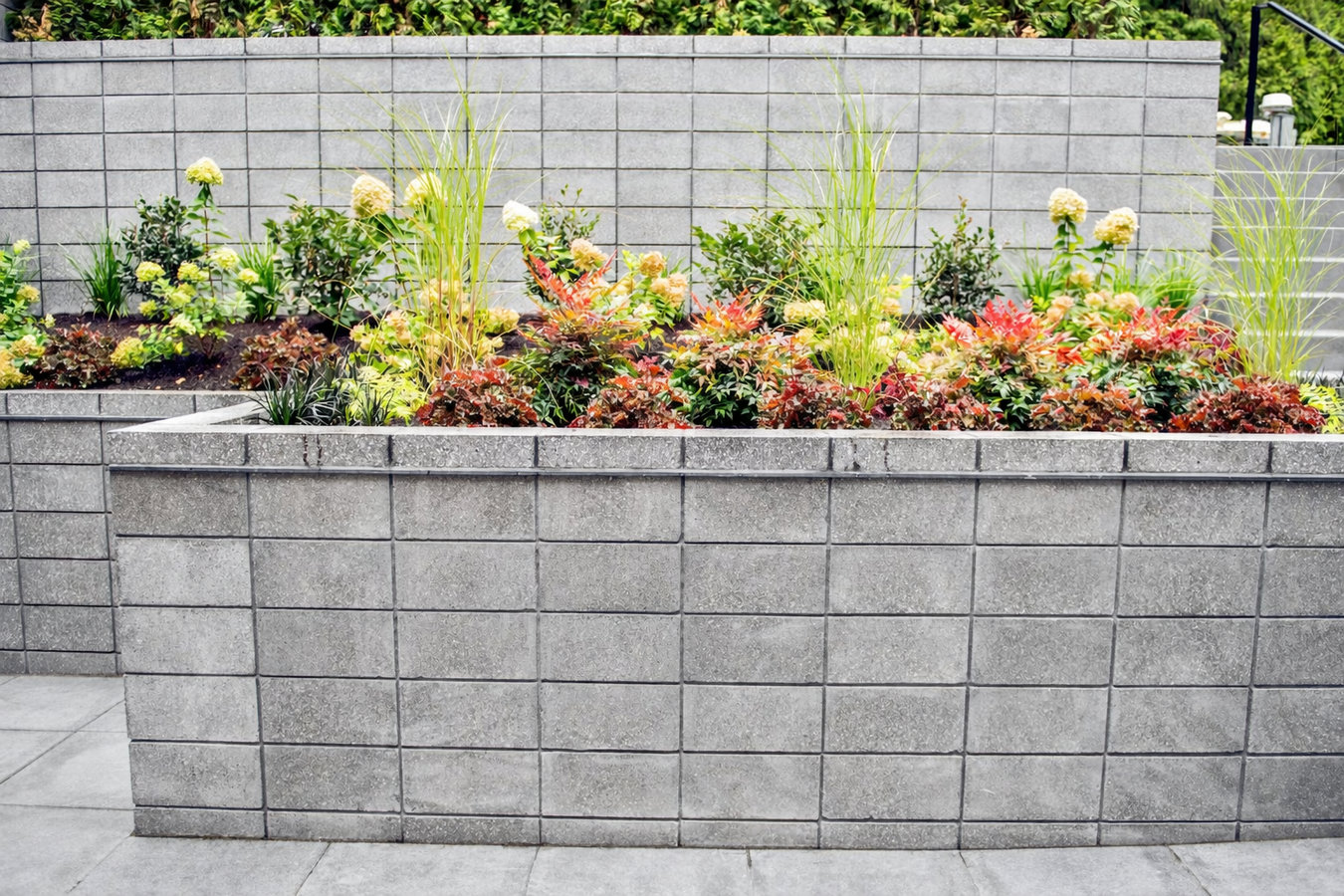
Bridgeport properties sit on small urban lots where block walls serve as boundary lines, basement perimeters, and retaining structures in tight side yards. Because most Bridgeport homes were built before modern drainage standards existed, we always incorporate proper drainage and weep holes when building new concrete block walls here - the freeze-thaw cycle combined with poor drainage behind a wall is what brings older block walls down.
A large share of Bridgeport foundations are rubble stone or unreinforced concrete block built before 1940, and they were never designed to handle the combined pressure of modern loads, saturated clay soil, and decades of freeze-thaw cycles. Stair-step cracks in block walls, horizontal cracking in poured concrete foundations, and chronic wet basements in the South End and East Side neighborhoods are the problems we see most often when we assess homes here.
Bridgeport's two- and three-family homes were built with original brick chimneys that have been through 80 or more New England winters. Salt air from Long Island Sound accelerates mortar joint deterioration in coastal neighborhoods like Black Rock and the South End, and cracked crowns and rusted flashing allow water into the wall assembly where it causes damage that goes far beyond what you can see from the ground.
Bridgeport averages 25 inches of snow per year, and the freeze-thaw cycle that runs from December through February opens mortar joints in brick facades, chimneys, and foundation walls year after year. On a home built in the 1920s or 1930s, the original mortar has often lost its bond entirely in the most exposed joints. Repointing before bricks begin to spall is the most cost-effective repair available on a pre-war Bridgeport home.
Pre-war brick homes in Bridgeport's Black Rock and East End neighborhoods show spalling where brick faces have popped off or crumbled due to moisture cycling through aging masonry over decades. Matching original brick color and texture on homes from the 1910s through the 1940s requires sourcing the right material - replacing damaged units with a poor color match leaves a more visible problem than the one you started with.
Urban Bridgeport lots are small, and even modest grade changes in a side yard or rear garden require a retaining wall to hold soil in place. Spring saturation is a real problem in many Bridgeport neighborhoods after heavy April and May rains, and a properly drained masonry retaining wall is the only long-term solution to the soil movement and erosion that follow every wet season.
Bridgeport is Connecticut's largest city, with about 148,000 residents packed into a relatively compact urban footprint. The vast majority of homes were built before 1960, with a large share dating to before 1940. Two- and three-family homes built in the early 1900s make up a significant portion of the housing stock, particularly in neighborhoods like the East Side, East End, and parts of the North End. These are wood-frame structures with original brick or block foundations, original chimneys, and exterior mortar that has been through 80 or more Connecticut winters. The freeze-thaw cycle that runs from November through March is relentless on masonry this old - mortar joints crack open, brick faces spall, and block foundations develop the kind of stair-step cracking that tells you the wall is under pressure and moving.
The city's position on Long Island Sound adds a coastal layer to the challenge. Neighborhoods along the water - including Black Rock on the western edge and the South End near Seaside Park - are exposed to salt air and occasional storm surge that accelerates deterioration on any exposed masonry surface. Bridgeport also receives about 47 inches of rain per year, and spring soil saturation is a recurring problem in neighborhoods with aging or nonexistent drainage systems. Many older Bridgeport homes have never had their original foundation drainage assessed. That combination of age, coastal exposure, and seasonal moisture creates steady and predictable masonry demands that are different in character from what you see in newer suburban construction.
Our crew works throughout Bridgeport regularly, and we understand the local conditions that affect masonry contractor work here. Structural masonry projects in Bridgeport are permitted through the City of Bridgeport Building Department, and we pull permits from that office for retaining walls, foundation work, and chimney rebuilds above the roofline. Knowing the local permit process keeps projects on a realistic schedule rather than being delayed by paperwork surprises mid-job.
Bridgeport's tight urban lots are something we account for on every job. Most properties here have narrow side yards and limited driveway access, which affects how materials are staged and how equipment moves around the site. Working on a two-family home in the East End is a different physical job than working on a Colonial on a larger lot, and we plan accordingly. The Barnum Museum area in downtown, the Black Rock neighborhood along Fayerweather Street, and the residential streets near Beardsley Zoo in the North End are all areas where we work regularly.
We also serve property owners in Paterson, NJ, where a comparable stock of pre-war urban housing creates similar masonry demands, and in Stamford, CT to the southwest, where coastal conditions and older neighborhoods along Long Island Sound present the same combination of salt air and freeze-thaw wear. Call us or submit a contact form and we will respond within one business day.
Contact us by phone or through the contact form and describe what you are seeing - cracked block walls, spalling brick, a deteriorated chimney, or a wet basement after heavy rain. We reply to all Bridgeport inquiries within one business day and schedule a site visit that works with your schedule.
We visit the property and assess the masonry in person. We explain what we find - including whether the issue is cosmetic or structural - and you receive a written, itemized estimate separating labor, materials, and permit costs before any commitment is made. No obligation.
For projects requiring a Bridgeport permit, we handle the application and factor review time into the schedule. We do not begin open masonry work in rain or below-freezing temperatures, and we keep the site orderly throughout - especially important on the tight lots common throughout Bridgeport.
When work is complete, we walk the site with you to confirm everything meets the agreed scope. All debris and leftover materials are removed, and we explain any maintenance steps that will extend the life of the repair or new installation.
We serve Bridgeport and all of Fairfield County. No obligation - just a straight answer on what your property needs and what it will cost.
(914) 223-8988Bridgeport is Connecticut's largest city and one of the most densely populated cities in New England, with about 148,000 residents living across a relatively compact 19-square-mile footprint along Long Island Sound. The city's neighborhoods each have distinct characters: Black Rock on the western waterfront has a mix of Victorian, Colonial, and craftsman-style homes maintained by long-term owner-occupants; the East Side and East End have a high concentration of two- and three-family rental properties; and the North End is home to Beardsley Park and Connecticut's only zoo. Downtown Bridgeport is anchored by the Barnum Museum, a landmark tied to P.T. Barnum, who served as the city's mayor in the late 1800s. Learn more about the city at Wikipedia's Bridgeport article.
The housing stock is overwhelmingly old - the majority of Bridgeport homes were built before 1960, with a substantial portion dating to before 1940. That means most residential masonry in the city - chimneys, foundations, retaining walls, block fences, and front steps - was installed anywhere from 60 to over 100 years ago. The combination of age, coastal exposure, urban density, and repeated freeze-thaw cycles creates predictable masonry maintenance needs across the entire city. We also serve homeowners in Norwalk, CT to the northeast, where a similar mix of older housing stock and Long Island Sound exposure drives comparable masonry work.
Restore your foundation's strength and stop structural damage from spreading further.
Learn MoreFix cracks, spalling, and mortar damage to keep your chimney safe and functional.
Learn MoreReplace deteriorated mortar joints to protect brickwork from water and weather.
Learn MoreRepair cracked or damaged bricks and restore the look of your masonry surfaces.
Learn MoreInstall durable, attractive pavers that boost curb appeal and withstand heavy use.
Learn MoreBuild strong retaining walls that hold back soil and prevent erosion on your property.
Learn MoreBring aging masonry back to its original appearance and structural integrity.
Learn MoreInstall a custom masonry fireplace that adds warmth and lasting value to your home.
Learn MoreAdd natural stone veneer to walls and facades for a refined, long-lasting finish.
Learn MoreConstruct solid concrete block walls built for strength, privacy, and durability.
Learn MoreInstall block foundation walls engineered to support your structure for decades.
Learn MoreCreate a custom outdoor kitchen built from quality masonry for outdoor entertaining.
Learn MoreDesign and build beautiful, safe walkways using brick, stone, or paver materials.
Learn MoreConstruct new brick walls that combine classic craftsmanship with lasting durability.
Learn MoreCraft custom stonework features that elevate the beauty and character of any space.
Learn MoreRepoint brick joints to seal out moisture and extend the life of your masonry.
Learn MoreBridgeport's pre-war housing stock, coastal salt air, and annual freeze-thaw cycles are hard on masonry - contact us now and we will assess your property before another winter season does more damage.