Loading...
Serving Ossining, NY and surrounding areas. (914) 223-8988
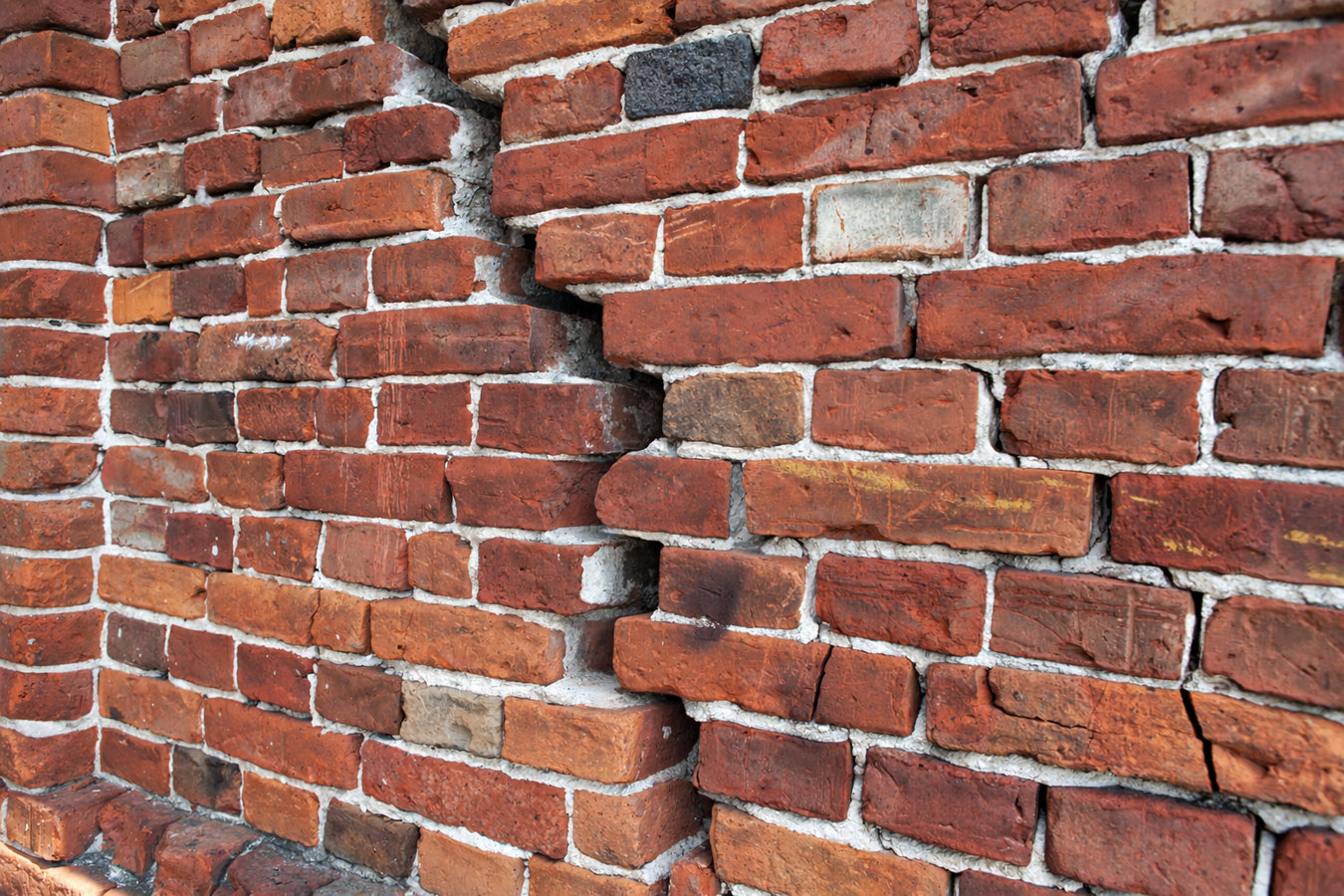
Cracked bricks, failing mortar, and deteriorating chimneys let water into your home with every storm. We find what is wrong, explain it clearly, and fix it with materials matched to your original wall - so the repair holds through every Westchester winter.
Brick repair in Ossining, NY covers cracked or crumbling bricks, failing mortar joints, spalled brick faces, and deteriorating chimneys - most straightforward repointing jobs on a small section of wall are completed in a single day, with larger repairs running two to four days.
Mortar is the part that wears out first - it's softer than brick by design, acting as the sacrificial layer that absorbs the stress of freeze-thaw cycles so the bricks themselves don't crack. When mortar fails, water gets behind the wall. In Ossining, that water freezes in winter and expands, which turns a small crack into a much bigger problem by spring. Older homes in Ossining - particularly those built before World War II - used softer lime-based mortars that behave differently from modern premixed products, and that distinction matters for any repair.
When brick repair also involves the mortar joints specifically, we often pair it with tuckpointing to address the full scope of what the wall needs - both the bricks and the joints that hold them together.
Run your finger along the joints between your bricks. If the mortar crumbles, flakes away, or has receded more than a quarter inch below the brick face, it is no longer doing its job of keeping water out. In Ossining's climate, a winter with open joints like this can let enough water in to cause significant damage by spring.
If the face of a brick is peeling off in layers or has pitted, rough patches where it used to be smooth, that is spalling - almost always caused by water freezing inside the brick. After a hard Westchester winter, walk around your home and look for bricks that appear chipped or eroded. Each one left unrepaired gets worse faster than the ones around it.
That powdery white residue - called efflorescence - is a sign that water is moving through your masonry and leaving mineral deposits behind. It is especially common on Ossining homes near the Hudson River corridor, where humidity is consistently higher. It won't go away on its own, and it signals an underlying moisture problem worth addressing.
Chimneys take more abuse than almost any other brick structure on a house - fully exposed to weather on all sides, going through extreme temperature swings with every fire. If your chimney cap is cracked, if you can see daylight between bricks near the top, or if the chimney looks even slightly off-plumb, repair is overdue. Left alone, a deteriorating chimney becomes a safety issue, not just a cosmetic one.
We handle the full range of residential brick repairs - from repointing a small section of wall to replacing individual damaged bricks, patching spalled surfaces, and restoring chimneys from the crown down. When a brick needs to be replaced, we source matching bricks before starting work. Color, texture, and size need to be close enough that the finished repair doesn't stand out from twenty feet away. That takes more effort than grabbing whatever's in stock, but it's the difference between a repair that looks right and one that advertises itself every time someone walks past your home.
For older Ossining homes, mortar matching is equally important. We assess the existing mortar and mix replacement material that matches its strength and flexibility. Using a harder modern mortar on pre-1950s construction can force stress into the surrounding bricks over time, eventually cracking the very bricks the repair was supposed to protect. We also handle tuckpointing and can extend a brick repair project to include adjacent masonry work - such as driveway pavers or other exterior masonry on the same property.
For homeowners with cracked, spalled, or structurally compromised individual bricks that need to be removed and reset.
For walls where the mortar joints have deteriorated but the bricks themselves are still in good shape.
For homeowners whose chimney masonry has suffered from weather exposure, heat cycling, or long-term neglect.
For brick faces that have pitted or flaked without full structural failure, stopping the erosion before it worsens.
Ossining sits in Westchester County, where winters bring repeated freeze-thaw cycles - temperatures that swing above and below freezing multiple times in a single week. Every time water trapped in a small crack freezes, it expands and pushes the crack a little wider. Over several winters, a hairline crack becomes a crumbling joint or a spalled brick face. This means Ossining homeowners should inspect their brick every spring - right after the last hard freeze - to catch damage before it compounds through the next winter. Ossining also has a significant number of homes built before 1950, many with original brick construction using softer lime-based mortars that require specialized knowledge to repair correctly.
Proximity to the Hudson River adds a persistent moisture factor. The higher ambient humidity near the waterfront accelerates mortar deterioration and increases the likelihood of efflorescence on brick surfaces. Homeowners near the river should expect to address brick maintenance more frequently than those in drier, elevated neighborhoods. We work regularly in Yonkers, NY and New Rochelle, NY, where the same Westchester climate and older housing stock create identical brick repair needs.
We respond within 1 business day. Tell us what you're seeing - cracked bricks, spalling, a rough-looking chimney - and where the damage is. We schedule an in-person visit, because brick repair is one of those jobs where a photo rarely tells the whole story.
The mason probes the mortar joints, checks for bricks that need replacement, and looks for any signs the damage goes deeper than the surface. You get a written estimate that explains what was found, what needs to happen, and whether a permit is required. No surprises added at the end.
Clear the area around the work zone - move patio furniture, potted plants, or vehicles out of the way. The mason brings their own scaffolding or ladder equipment for anything above ground level. You don't need to be home for the work, but many homeowners prefer to be present for the first hour.
The crew chisels out damaged material, sets replacement bricks or packs in new mortar, and tools the joints to match the surrounding wall. Before leaving, they walk the finished area with you and confirm curing instructions - keep the repaired surface dry for at least 48 hours and avoid power-washing for several weeks.
Written quote, no obligation. We respond within 1 business day.
(914) 223-8988When bricks need replacing, we source matching units before the job starts - not whatever's available at the supply house. Color, texture, and size need to be close enough that the finished repair doesn't stand out from the street. This takes more legwork, but it's what separates a repair that looks right from one that announces itself on a walk-by.
Using a modern, harder mortar on an older Ossining home can crack surrounding bricks over time. We assess the existing mortar first and mix a replacement that matches its strength and flexibility. This is especially important for homes built before World War II, which represent a large share of Ossining's brick housing stock.
Most routine brick repairs don't need a permit. But chimney rebuilds, retaining wall work, or repairs to load-bearing masonry may require one from the Village of Ossining Building Department. We know where that line is and handle the paperwork when it's needed. Work done without a required permit can complicate a home sale - we make sure that isn't a problem for you.
One of the most common complaints about masonry contractors is costs that balloon after work starts. You get a written quote covering the repair method, materials, and timeline before a single brick is touched. What's in the estimate is what's on the invoice.
The National Park Service Preservation Brief on repointing mortar joints covers mortar matching and removal standards in detail - the same standards that guide our approach on every Ossining brick repair job. Doing brick repair correctly the first time means fewer callbacks and a wall that holds for decades, not seasons.
Paver installation and repair for driveways, integrating cleanly with adjacent brick and masonry on the same property.
Learn MoreDedicated mortar joint restoration for walls where the bricks are still solid but the joints between them have deteriorated.
Learn MoreWinter freeze-thaw cycles won't wait - let's get your brick assessed and repaired before the next cold snap hits.